Integration Tests with the Connect SDK
How-to GuideStep-by-step guides to achieve a specific scenario or setup.
Author:
Fluent Commerce
Changed on:
8 June 2026
Key Points
- End-to-End Test Orchestration: You will learn how to wire, configure, and execute automated integration tests using specialized Connect SDK test modules (
`connect-sdk-test-core`,`connect-sdk-test-core-aws`, and`connect-sdk-test-core-kafka`) to validate custom data handlers against simulated API footprints and containerized queue systems. - Execution Command Restrictions: Standard unit test triggers like
`mvn test`will completely ignore these integration suites. You must invoke the pipeline using`mvn clean integration-test`and explicitly declare or preset the targeted active Spring profiles (such as`aws,localstack`or`kafka`) to instantiate the proper environment dependencies and messaging beans. - Isolated Bootstrapping Requirements: When building integration tests inside a decoupled code module that lacks a primary application runner, you must manually deploy an executable bootstrap class annotated with
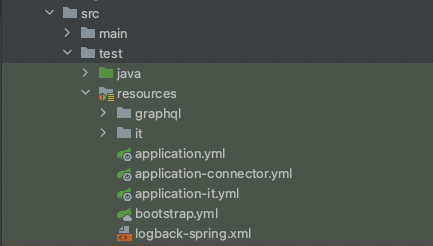
`@SpringBootApplication`and`@EnableScheduling`inside your`src/test/java`directory. Additionally, you must place three mandatory configuration manifests (`application.yml`,`application-connector.yml`, and`bootstrap.yml`) into the`src/test/resources`folder. - Automated Environment Isolation: The test suite leverages
`Testcontainers`and`WireMock`to manage external asset lifecycles dynamically. Activating specific environment flags like`localstack`inside the configuration settings instructs the SDK to auto-provision localized mock instances of cloud services (including Amazon SQS queues, Amazon S3 buckets, and secrets vaults), eliminating the need to manage external persistent test infrastructure.

 Requirements to start